Home · Services · Water Removal After a Fire
Water Removal After a Fire in Novi, MI
Quick answer
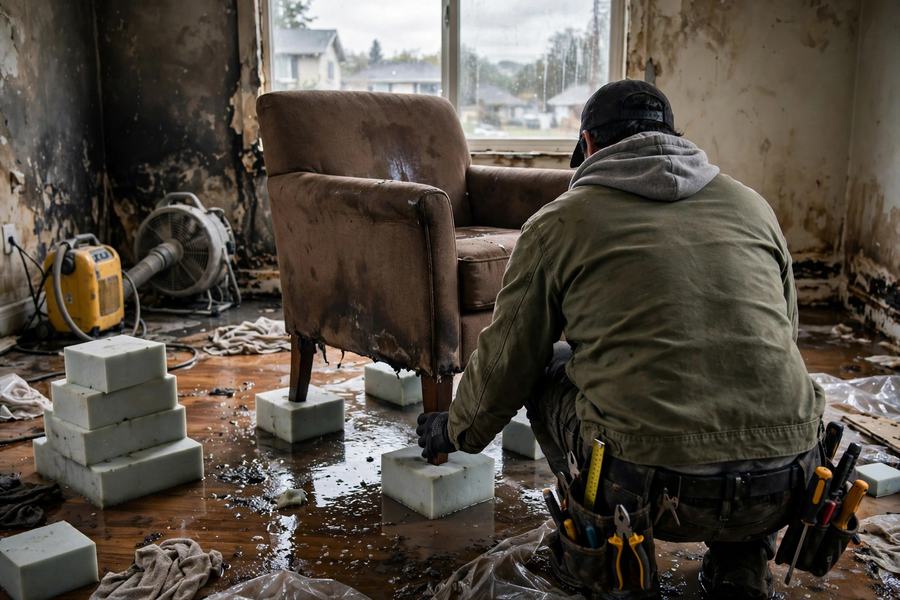
Suppression water followed down the open plan and logged by level, basement wall bases read finished or not, because the mold clock starts there.
Suppression water in Novi homes follows the open plan down: stairs, two story voids, and the basement below, where finished and unfinished sections divide the damage. Extraction begins with the board up mobilization, drying is logged by level, and the basement's wall bases get their own readings whether the basement is finished or not, because the rebuild timeline and the mold clock both start there. Winter events add the standard Michigan footnote: the opened structure's plumbing is freeze protected in the same window.
Signs you need water removal after a fire
- Standing water or soaked flooring in the rooms that burned and below them
- Water stains spreading on ceilings under the fire floor
- Wet insulation, drywall, and baseboards near the fire area
- A musty smell starting within a day or two of the fire
What the job involves
What affects the price
- How much water was used, which tracks with how long the fire burned
- How many levels the water reached, including the floor below the fire
- Materials involved: hardwood, laminate, and carpet over pad all dry differently
- Whether contaminated material must come out rather than dry
- Equipment days the moisture readings actually require
When it is an emergency
Firefighting water starts a mold clock of roughly 24 to 48 hours in warm conditions. The fire damage is the visible emergency, but the water sets the deadline: extraction and drying belong in the first scope of work, not a later phase.
PLACEHOLDERWater Removal After a Fire across the Novi area
Related services
Kitchen Fire Cleanup
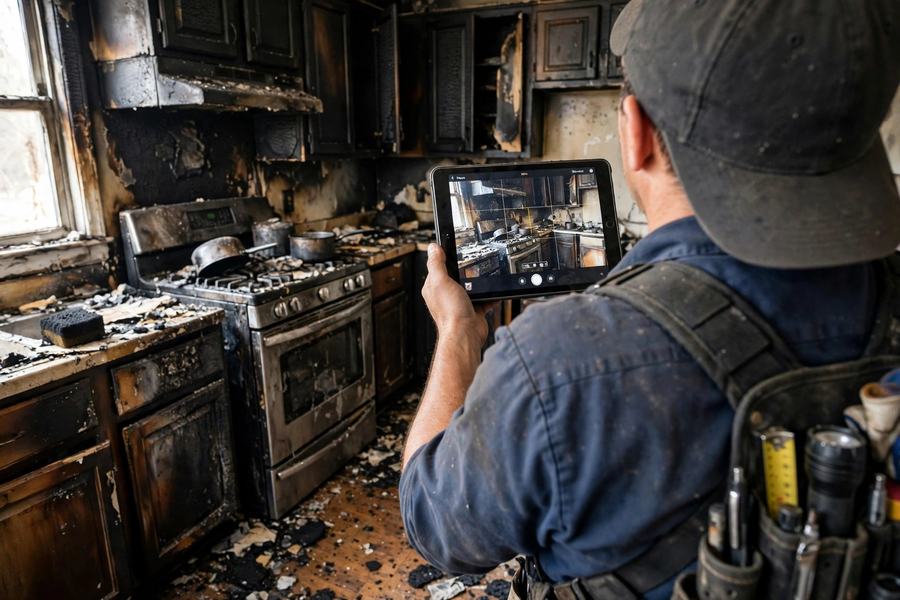
The open plan event scoped as one air volume: cabinets, great room heights, and serving ducts, with clean looking rooms tested, not trusted.
Fire Damage Restoration
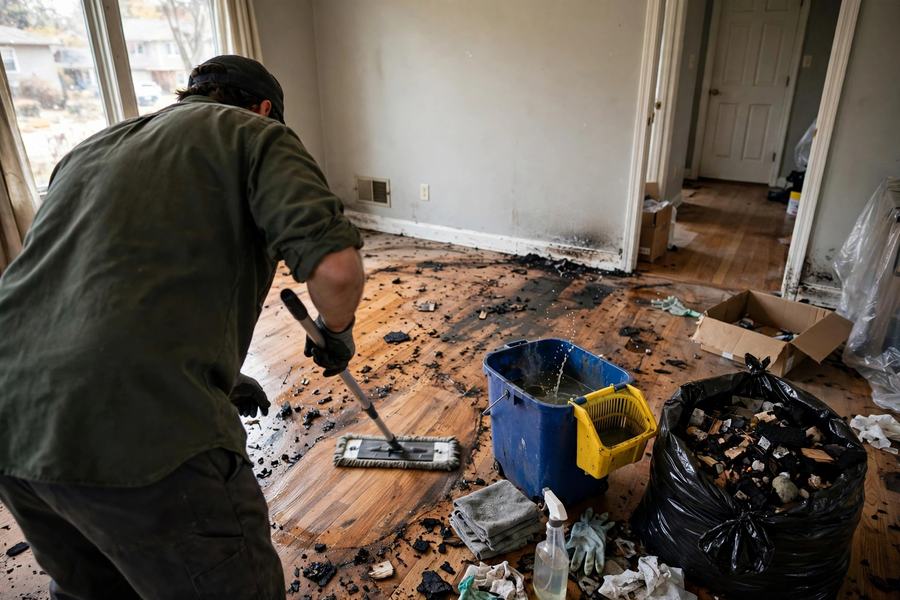
Newer subdivision restoration where modern materials set the terms: synthetic soot, open volumes, and a rebuild ledger that can honestly carry dates.
Smoke Damage Cleanup
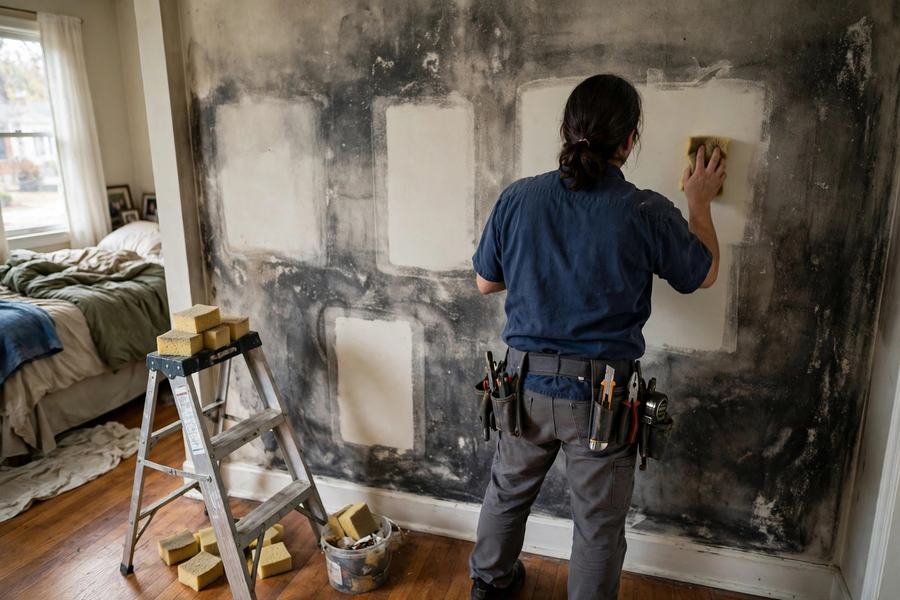
Volume cleanup that reads the vertical path first: two story foyers and great rooms mapped before a single surface is cleaned.
Electrical Fire Cleanup
Modern load center discipline: chargers, panels, and pool gear documented as their own ledger after release, in a commuter city's garages.
Water Removal After a Fire questions, answered
When is water removal after a fire an emergency?
Firefighting water starts a mold clock of roughly 24 to 48 hours in warm conditions. The fire damage is the visible emergency, but the water sets the deadline: extraction and drying belong in the first scope of work, not a later phase.
What affects the price of water removal after a fire in Novi?
The main price factors for water removal after a fire are covered in the cost section above. The contractor confirms the exact price in a written estimate after seeing the job, and nothing is owed until you approve it. The call and the referral are free.
How much does fire damage restoration cost?
Published national figures from Angi (2026) put most homeowners' fire restoration between about $3,100 and about $52,000, with an average near $27,500 and cleanup priced around $4 to $7 per square foot. A minor kitchen smoke cleanup can start under $1,000, while a structural fire runs far past the top of that range. What decides your number is how many rooms burned versus smoked, whether structure is damaged, and how much firefighting water has to come out. Anyone quoting a firm total by phone is guessing; the honest sequence is an in person assessment and a written scope.
What should I do first after a house fire in Novi?
Safety first, always: do not re-enter until the fire department says the structure is safe. Then, in order: call your insurer to open the claim, arrange board up for any broken windows, doors, or roof damage so the home is secure that night, and do not wipe soot, wash walls, or run the heating and air system, because all three spread the damage. Photograph everything before anything is moved or thrown away, and keep receipts for any emergency spending.
Can I stay in my home after a fire?
If the fire department or your insurer's assessment says the home is unsafe or uninhabitable, no, and loss of use coverage may pay for a hotel or rental in the meantime. For a contained fire (a kitchen fire with smoke through the house, for example) staying is sometimes possible after the assessment, but smoke residue is a respiratory irritant, the HVAC should stay off until ducts are checked, and children, older adults, and anyone with asthma should be cautious. Ask the question directly at the assessment and get the answer in the scope notes.
Request a callback
Prefer to talk later? Leave your details and an independent local pro will call you back. No charge to you, no obligation.
Walled Lake Fire Restoration is a free referral service. Submitting this form connects you with independent local contractors who provide the work.