Does Homeowners Insurance Cover Fire Damage? The Novi Walkthrough
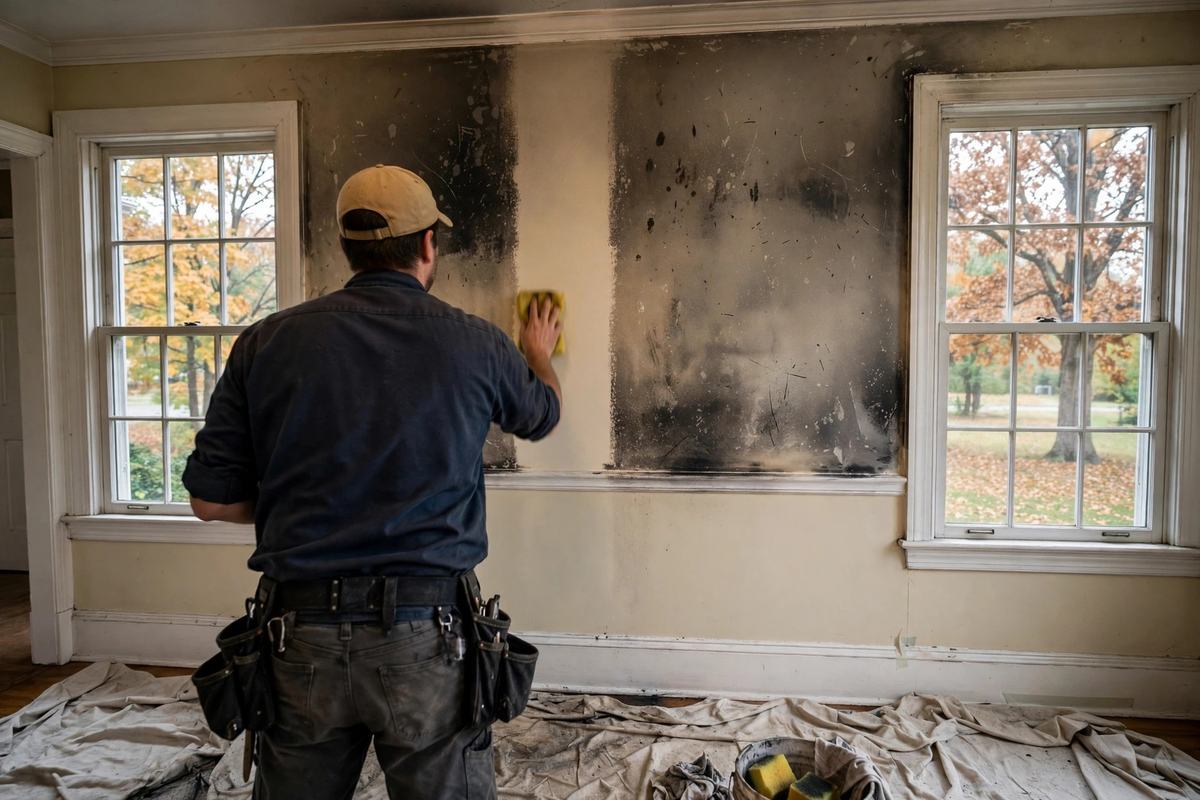
Fire is a named peril in standard homeowners policies, which means coverage is the starting assumption rather than the fight. The claim covers the structure, your contents, smoke damage throughout the home, the water damage from extinguishing the fire, and usually loss of use while the home is uninhabitable. What gets negotiated is scope: how much cleaning versus removal, which materials, and at what price.
Fire is the standard named peril, and Novi claims turn on the modern questions: how far the synthetic soot's scope honestly runs in an open plan, how contents are valued from a room level inventory, and where owner elections during rebuild separate from the claim. This walkthrough builds the claim in ledgers from the first scope, fire damage, mitigation, and elections, because a newer home's claim should be the most settleable kind: materials match, systems are documented, and the argument space is small wherever the paperwork is complete. Living expense records begin the first night, as everywhere, receipt by receipt.
The contractor's itemized scope is the document that does the work. Adjusters price from line items, so a scope that separates board up, extraction and drying, cleaning, contents, and rebuild phase by phase is one an adjuster can approve. A single lump number invites a single lump argument. Photos, moisture logs, and the contents inventory attach to the same file.
Two habits protect the claim. First, mitigate: board up and dry out promptly, because policies require reasonable steps against further damage. Second, do not sign a contract that promises to handle 'everything with insurance' without a written scope you have read. The claim is yours, and the paperwork should read that way.
Request a callback
Prefer to talk later? Leave your details and an independent local pro will call you back. No charge to you, no obligation.
Walled Lake Fire Restoration is a free referral service. Submitting this form connects you with independent local contractors who provide the work.